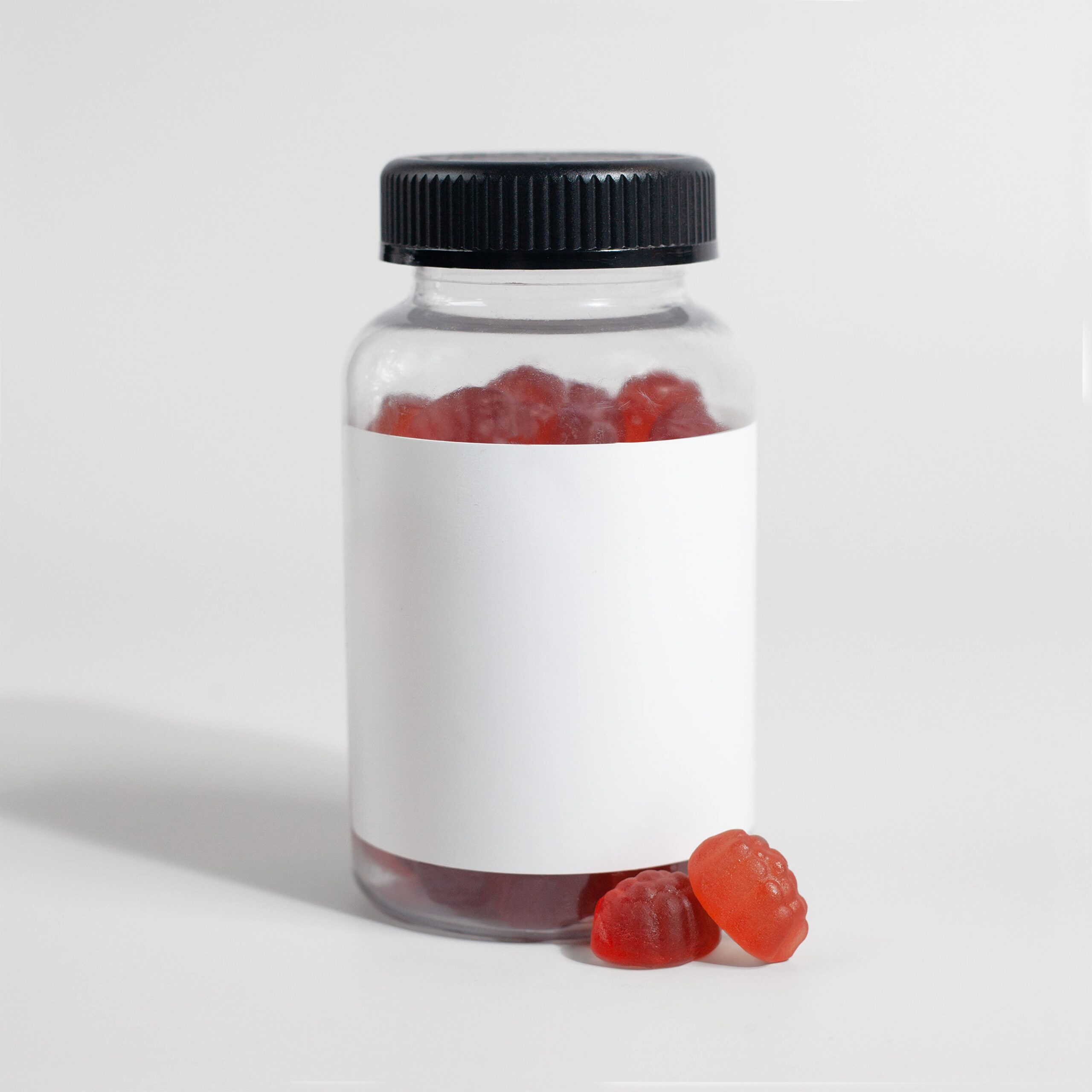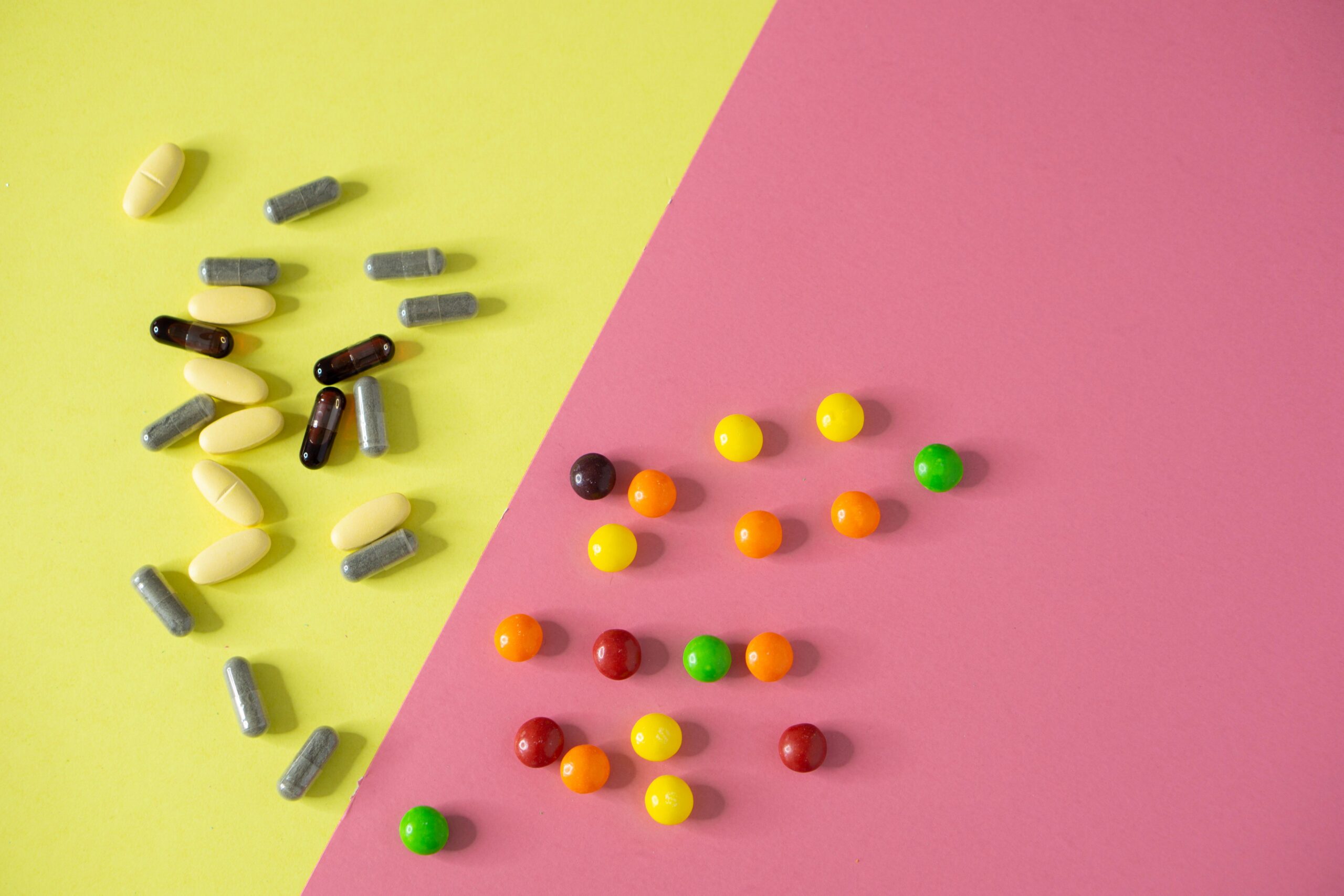
Capsules generally provide the most formulation flexibility. Tablets can concentrate more material into a compact format and may offer strong economics at scale. Gummies create a differentiated consumer experience but leave less room for active ingredients because the gummy matrix, flavor system, and texture components occupy part of every unit.
Additionally, some active ingredients may be incompatible with gummy formulations due to stability, moisture sensitivity, pH requirements, or interactions with the gelling system, further limiting formulation options.
Margin adds a second layer to the decision. A lower production cost does not always produce the strongest margin, and a more expensive format can still be commercially attractive when it supports a higher selling price or stronger product positioning.
The best delivery format is the one that can carry the intended formula, work reliably in production, fit the consumer use occasion, and protect contribution margin per serving.
Capsule vs. Tablet vs. Gummy: The Quick Decision
Choose capsules when formula flexibility, neutral taste, and relatively straightforward product development are priorities.
Choose tablets when the ingredients can be compressed effectively and the product needs high dose density, compact packaging, or scale-oriented economics.
Choose gummies when taste, chewability, and premium consumer positioning are central to the product concept, and when the target dose can realistically fit within the gummy matrix.
There is no universal maximum dose for any of these formats. Practical capacity depends on ingredient density, excipients, capsule size, tablet dimensions, gummy weight, stability, serving count, and the capabilities of the selected manufacturing operation.
FDA does not establish one universal serving-size or ingredient-amount ceiling for dietary supplements. The responsible company must instead ensure that the product is safe, properly labeled, and manufactured according to applicable requirements.

Why Dose and Margin Must Be Evaluated Together
Dose determines how much material must fit into each serving. Margin determines whether the resulting serving can be manufactured, packaged, shipped, and sold profitably.
A formula that requires several capsules may be technically feasible but create a high capsule count per bottle. A tablet may reduce the number of units per serving, but compression, tooling, coating, or additional formulation work may increase development costs. A gummy may command a premium retail price, but the gummy base, flavor system, packaging volume, and more complex production process can increase landed cost.
Brands should therefore evaluate two questions simultaneously:
- Can the format deliver the intended amount of each ingredient?
- Can the complete product generate an acceptable margin per serving?
Evaluating only the quoted price per bottle can conceal meaningful differences in serving count, packaging, freight, and usable dose.
When Capsules Are the Best Fit
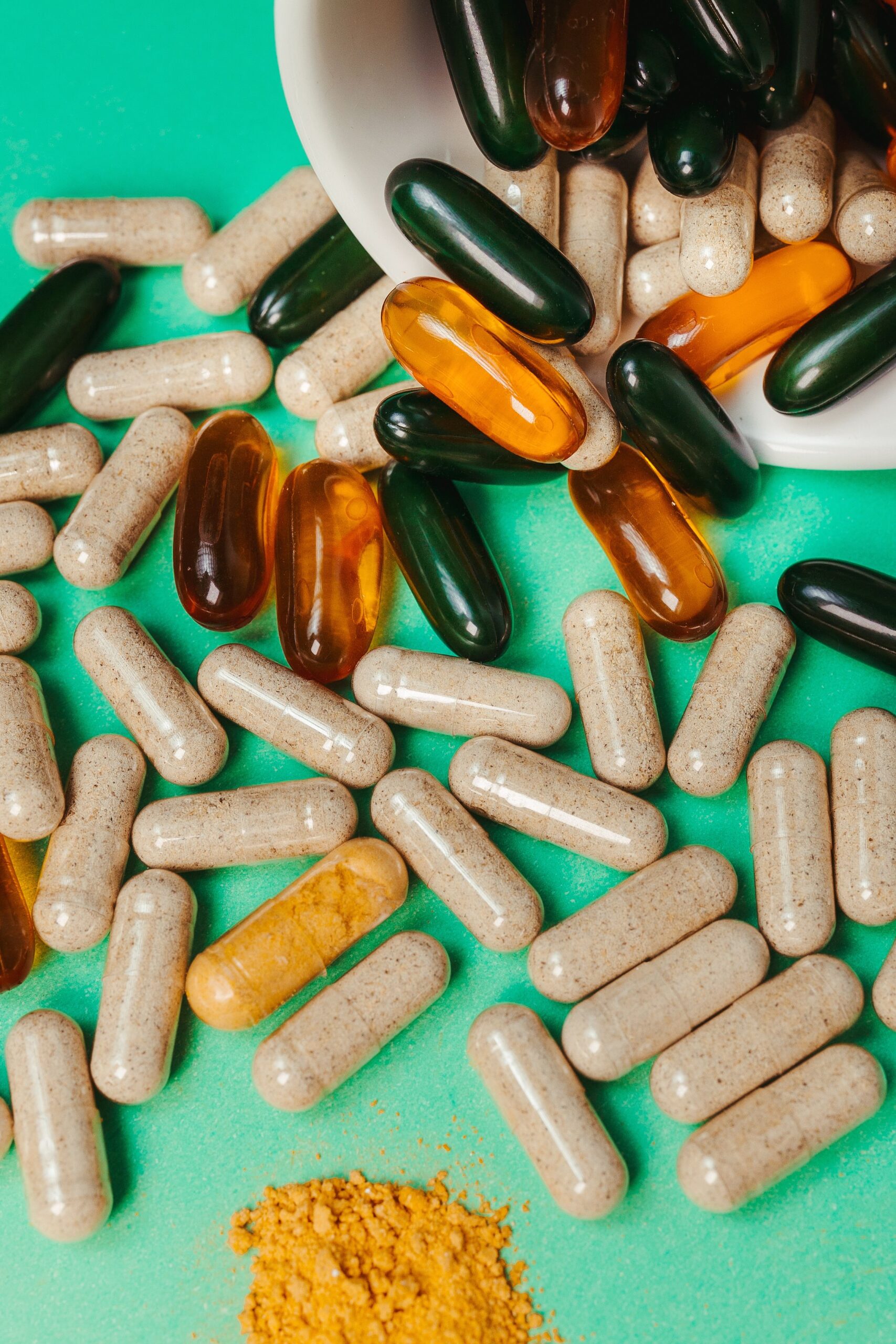
Capsules are often the most flexible option for botanical extracts, vitamins, minerals, amino acids, and multi-ingredient powder blends.
A capsule manufacturer can typically adjust capsule size, shell material, fill blend, color, and appearance according to the formulation and brand requirements. HH Processors identifies capsule size, material, ingredient blend, color, and appearance as customization variables within its capsule manufacturing services.
Capsules are particularly useful when:
- The target dose of active ingredients per serving is high and difficult to fit into another delivery format without compromising the formulation.
- Certain active ingredients may interfere with the formulation of other delivery formats, such as gummies.
- The ingredients have an unpleasant taste or odor.
- The formula does not compress easily into a tablet.
- The brand wants to avoid a sweetener and flavor system.
- The formula may require moderate adjustments during development.
- Vegetarian or other shell-material options matter to the product positioning.
Capsules can also reduce the need for tablet tooling or a gummy flavor-development process. Hard capsules can carry powders, granules, and, in some applications, nonaqueous liquids or semisolids, which gives product developers considerable formulation flexibility.
Where Capsules Can Pressure Margin
Capsules become less efficient when a high-volume formula requires several units per serving.
A larger serving can increase:
- Capsule shell consumption
- Filling time
- Bottle size
- Unit count per bottle
- Packaging and freight volume
- The number of capsules consumers must take
For example, reducing the manufacturing cost of each individual capsule does not solve the commercial problem when the finished product requires six capsules per serving. The relevant calculation is the cost of the complete serving and the number of sellable servings in each bottle.
When Tablets Are the Best Fit
Tablets are often a strong choice when dose density, stability, compact packaging, and high-volume production economics matter.
Compression can produce a dense unit that may hold more material than a similarly sized capsule. A tablet manufacturer may also offer different shapes, scoring, coatings, colors, and release characteristics, depending on the formula and available equipment.
HH Processors describes tablets as a cost-effective, stable format suited to high-volume production and identifies precise dosage control, shelf stability, and flexible release profiles as important format advantages.
Tablets are particularly useful when:
- The active blend has suitable compression properties.
- A compact unit is needed for a relatively substantial dose.
- The product will be produced at sufficient scale to support setup and tooling.
- Bottle size and freight efficiency matter.
- A coating can improve swallowing, appearance, or ingredient protection.
Where Tablets Can Add Complexity
Not every powder blend can be compressed into a reliable tablet without modification.
Tablet development may require binders, disintegrants, lubricants, flow agents, granulation, or coating. The manufacturer must balance tablet hardness with appropriate disintegration and performance. Excessive hardness may create a durable tablet but interfere with how the tablet breaks apart.
Depending on the formulation, flavor profile may also become an important consideration, as certain active ingredients can impart bitter, metallic, or otherwise unpleasant tastes that require taste-masking technologies or specialized coatings.
Tooling, custom shapes, debossing, specialized coatings, and additional process stages may also increase development cost or minimum production requirements. Tablets are therefore not automatically the least expensive choice for every project, particularly at low volume or with a difficult formula.
When Gummies Are the Best Fit
Gummies are strongest when the consumer experience is a central part of the product strategy.
A gummy can combine flavor, color, shape, and chewability into a format that supports differentiation. Gummies may be appropriate for lifestyle-focused brands, consumers who prefer not to swallow capsules, and products that benefit from a more approachable daily routine.
HH Processors offers custom gummy formulation as well as private-label, bulk, and wholesale gummy pathways. Its current private-label gummy page identifies R&D as necessary for custom gummy products, illustrating that the format must be developed as a complete formula rather than treated as a simple container for active ingredients.
Gummies are particularly useful when:
- The target active dose is compatible with the gummy’s available capacity.
- Flavor and sensory experience contribute to the product’s value.
- The brand can support formulation and sampling work.
- Premium positioning can justify a higher landed cost.
- A chewable format matches the intended audience.
Where Gummies Can Pressure Dose and Cost
A gummy is not composed entirely of active ingredients. The gelling system, sweetener or carbohydrate system, water, acids, flavors, colors, and other functional ingredients all occupy space within the unit.
Adding active ingredients can also change gummy texture, flexibility, flavor, moisture behavior, and stability. Published formulation research has demonstrated that incorporating nutrients and botanical materials can materially change gummy firmness and other physical properties.
These constraints can lead to:
- Multiple gummies per serving
- Larger bottles or pouches
- Higher freight and packaging volume
- Greater flavor-masking requirements
- More extensive R&D and stability evaluation
- A lower practical active load than capsules or tablets
Gummies can still generate an attractive margin when consumers accept a premium price. The commercial question is not whether gummies cost more to make; it is whether the difference between the net selling price and the complete landed cost remains strong enough.
Capsule vs. Tablet vs. Gummy Comparison
Decision factor | Capsule | Tablet | Gummy |
Typical strategic strength | Formulation flexibility | Dose density and scale | Consumer experience |
Taste masking | Strong because ingredients are enclosed | Moderate; coating may help | Requires flavor development |
Active-ingredient capacity | Moderate and density-dependent | Often relatively high | More limited by the gummy matrix |
Product-development complexity | Low to moderate | Moderate | Moderate to high |
Unit count risk | Multiple capsules may be needed | Fewer units may be possible | Multiple gummies may be needed |
Packaging efficiency | Moderate | High | Lower because gummies occupy more space |
Consumer experience | Familiar and neutral | Compact and functional | Chewable and differentiated |
Main cost pressures | Shells, unit count, bottle size | Tooling, excipients, coating | R&D, matrix ingredients, flavor, packaging |
Strongest margin condition | Moderate dose and efficient count | Sufficient production scale | Premium pricing and repeat demand |
The table is a strategic starting point rather than a technical specification. Actual feasibility must be confirmed using the target formula and the selected production process.
How to Calculate Margin by Serving
Compare delivery formats using landed cost per serving rather than cost per unit or cost per bottle.
A practical calculation is:
Landed cost per serving = total formula, manufacturing, testing, packaging, freight, and expected loss costs ÷ total sellable servings
Then calculate:
Contribution margin per serving = net selling price per serving − landed cost per serving
This approach exposes differences that bottle-level quotes may hide.
A bottle containing 60 capsules may provide only 20 servings when the suggested use is three capsules. A 60-count tablet bottle may provide 60 servings if the dose fits into one tablet. A 60-count gummy bottle may provide 30 servings when two gummies are required.
FDA labeling guidance states that the serving size is based on the maximum amount recommended for consumption on one eating occasion. As a result, the number of units in the recommended serving directly affects the Supplement Facts panel and the number of servings per container.
Margin analysis should also account for:
- Setup and changeover costs
- Testing
- Packaging components
- Label or printed-film requirements
- Freight and fulfillment
- Damage or production loss
- Promotional discounts
- Retailer or marketplace fees
- Expected reorder volume
HH Processors’ margin guidance similarly emphasizes that batch size, packaging, sourcing, and freight decisions influence total profitability rather than merely the initial manufacturing quote.
How Formulation Changes the Format Decision
The ingredient list determines whether a preferred delivery format is technically practical.
For capsules, bulk density and powder flow influence fill weight. For tablets, compressibility and the amount of supporting excipients affect tablet size and performance. For gummies, active ingredients interact with flavor, acidity, texture, heat exposure, and moisture.
The development team should evaluate:
- Target amount of every active ingredient
- Total serving weight
- Ingredient density
- Taste and odor
- Flow or compression behavior
- Moisture and heat sensitivity
- Ingredient interactions
- Required excipients
- Desired serving count
- Stability and shelf-life expectations
The selected supplement format must also meet finished-product specifications for identity, purity, strength, and composition. Current dietary supplement CGMP regulations require manufacturers to establish relevant component, in-process, product, packaging, and labeling specifications and determine whether those specifications are met.
For this reason, custom formulation should define the dose and delivery format together. HH Processors’ custom formulation process includes ingredient selection, dosage targets, delivery format, compatibility, stability, and iterative validation.
What to Ask a Supplement Manufacturer
When comparing supplement manufacturer companies, ask for more than a unit price.
Request clear answers to the following questions:
- Can the target dose fit into the preferred format?
- How many capsules, tablets, or gummies will be required per serving?
- Which excipients or supporting ingredients are necessary?
- What formulation or R&D work is required?
- How will the format affect stability testing?
- What tooling, coating, flavor, or sampling costs apply?
- Which production minimums apply to the proposed format?
- What packaging sizes will be required?
- Which quality tests and documents are included?
- How will a change in serving count affect the label and margin?
- Can the format scale without requiring a major reformulation?
The strongest manufacturing partner should be able to explain why a format is appropriate rather than simply confirm that the format is available.
Choose the Format That Supports the Entire Product
Capsules are usually the best starting point for flexible formulas and moderate doses. Tablets become more attractive when dose density, compact packaging, and scale economics are priorities. Gummies are best suited to products where taste, chewability, and premium positioning justify the added formulation and production complexity.
The decision should not be based on trend appeal alone.
A successful supplement manufacturer format must align five elements:
- The target dose
- Ingredient behavior
- Manufacturing feasibility
- Consumer experience
- Margin per serving
HH Processors supports capsule, tablet, and gummy product pathways alongside custom formulation and R&D. The quote process can be used to compare format feasibility, serving count, packaging, and production considerations before the brand commits to final specifications.
Provide the proposed ingredient list, target amount per serving, preferred format, projected volume, packaging concept, and target selling price so the product can be evaluated as both a formulation and a business model.